The Art of Merging Styles: Combining Traditional and Contemporary Elements in Kitchen and Bath Design Jul 07, 2026
One of the first steps in merging traditional and contemporary elements is understanding the fundamental characteristics of each style. Traditional designs often feature intricate woodwork, ornamental details, and warm color palettes. In contrast, contemporary styles embrace simplicity with clean lines, minimalistic features, and the use of industrial materials such as stainless steel and glass. By identifying the predominant elements you love in each, you can begin to envision how these can be harmoniously integrated into your remodel.
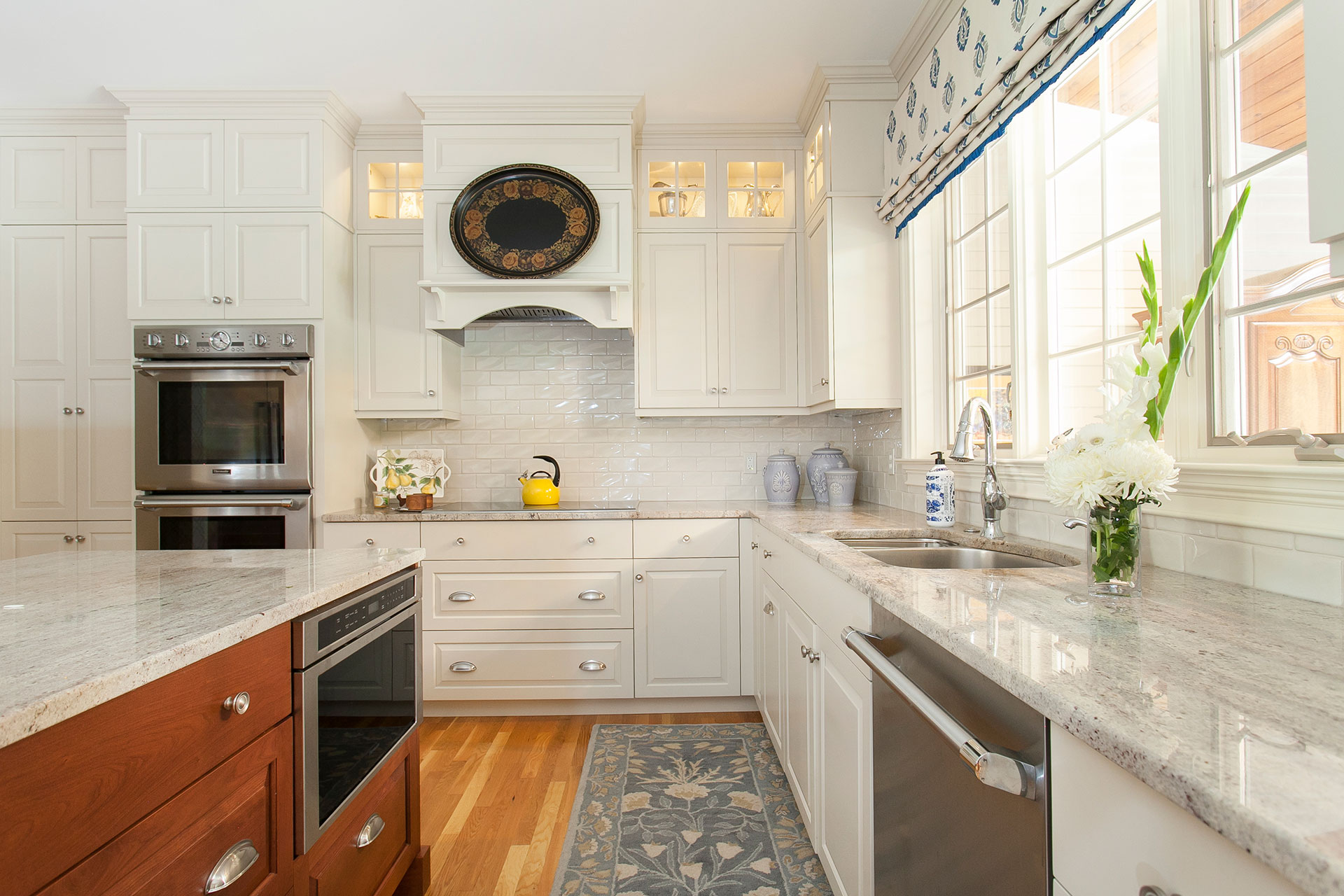
In the kitchen, consider starting with cabinetry and countertops. Traditional cabinets are frequently made of rich woods and detailed craftsmanship, while modern cabinets utilize high-gloss finishes and streamlined hardware. A fusion can be achieved by selecting wooden cabinets with modern, sleek handles. When it comes to countertops, blending can be done by choosing granite or quartz for a classic feel, combined with a contemporary edge like waterfall edges or bold veining.
Appliances provide another opportunity to combine styles. Modern stainless-steel appliances can complement the warmth of traditional cabinetry. Additionally, fixtures play a crucial role in creating a balanced look. Mixing vintage-inspired fixtures with modern lighting can add a touch of elegance. Think about incorporating pendant lights over the kitchen island for a modern touch, while retaining classic chandeliers or sconces tucked into more intimate settings.
In the bathroom, tile selection is where you can really shine in combining traditional and contemporary elements. Consider traditional patterns like herringbone or basketweave done with modern materials such as large porcelain tiles or cement-look finishes. The contrast between the vintage pattern and the modern material creates an interesting visual appeal.
Vanities offer another place to blend styles. Traditional vanities often have detailed moldings, whereas contemporary options are minimalist. To merge these, you might opt for a traditional vanity base with a minimalist countertop and vessel sinks. Additionally, the addition of modern faucets in classic finishes such as brushed nickel or polished brass can provide a seamless transition between the two styles.
Achieving balance is key, so it’s essential to maintain a cohesive color scheme. Neutral palettes like whites, grays, and beiges can serve as a backdrop for both traditional and contemporary elements, allowing them to shine without clashing. Accents in metallics or bold splashbacks can add interest and liven up the space without overwhelming it.
Ultimately, merging traditional and contemporary styles can result in a space that feels both fresh and familiar, full of character and charm. By carefully selecting elements that reflect both your personal style and the charm of your home, Litchfield Hills Kitchen & Bath can help you create spaces that are not only beautiful but also functional, catering to the very essence of modern living woven with timeless beauty. Your kitchen and bath renovation project thus becomes an artful blend, striking the perfect balance between old-world elegance and contemporary sleekness.
/filters:no_upscale()/filters:format(webp)/media/7c11d708-d37c-459c-a7d4-f9637a743397.jpeg)